So you're thinking about making a big change in your bathroom, huh? You're probably weighing the pros and cons, wondering if this renovation is really worth it. Let's dive into how a transformation of your bathing area can really shake things up for the better.
Giving Your Bathroom a Fresh New Vibe
Making the switch from an old tub to a sleek, modern shower can feel like a huge undertaking, but honestly, it's one of the smartest moves you can make for your home. You're not just getting a new shower you're unlocking a whole new level of convenience and style. This kind of upgrade can seriously boost how you feel about your daily routines.
Plus, let's be real, those old bathtubs can be a real pain. They take forever to fill, they're a tripping hazard for some folks, and let's not even talk about the scrubbing involved. A well-designed shower, on the other hand, is all about efficiency and a touch of pampering. You get that instant gratification of stepping into a warm spray without the wait.
This kind of project is more than just cosmetic; it's about improving your quality of life at home. Imagine starting your day with a quick, invigorating shower instead of a lengthy soak, or unwinding in the evening without the hassle of a bulky tub. It's these little everyday improvements that really add up, making your living space feel more functional and way more enjoyable.
Why This Change Makes So Much Sense Right Now
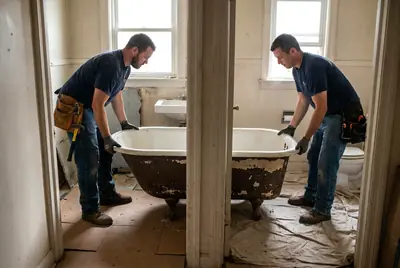
You might be wondering why you'd even consider this specific type of bathroom remodel. Well, think about it this way: your bathtub is probably taking up a ton of valuable real estate in your bathroom. It's often the biggest fixture, and let's face it, a lot of people just don't use them as much as they thought they would.
Now, picture that same space transformed into a spacious, walk-in shower. This means more room to move around, making your bathroom feel bigger and more open. This spatial upgrade alone is a massive benefit, especially in older homes or smaller bathrooms where every inch counts. You get that luxurious feel without actually increasing the square footage.
Furthermore, these conversions are a fantastic way to modernize your home. An outdated tub can really drag down the overall aesthetic of your bathroom, making it feel dated. A new shower installation, especially with contemporary finishes, instantly updates the look and feel, potentially increasing your home's appeal to future buyers too.
The Immediate Benefits You'll Notice
So, what's the big payoff for you when you finally make the leap? For starters, your morning routine will likely get a serious speed boost. Instead of waiting for water to heat up and fill a tub, you'll be able to step right into a refreshing shower. This saves precious minutes, which can make a world of difference when you're rushing to get out the door.
On top of that, accessibility becomes a major win. Traditional bathtubs can be a challenge for people with mobility issues, making them a safety concern. A thoughtfully designed shower, especially one with a low or no threshold, is much easier and safer to navigate. This fosters independence and reduces the risk of slips and falls.
And let's not forget the sheer aesthetic improvement. A new shower can completely transform the look of your bathroom, making it feel more spa-like and inviting. You can choose from a wide array of materials and designs to match your personal taste, creating a space you truly love spending time in.
Unpacking the Transformation: What to Expect
Embarking on a project like this involves more than just picking out a showerhead. It's a process that requires careful planning and execution to ensure you get the results you're dreaming of. You'll want to work with folks who really know their stuff.
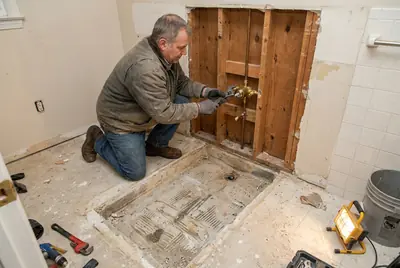
The initial step typically involves a site visit. This is where a professional comes to your home, checks out your existing bathroom, and talks through your vision. They'll measure everything up, look at your plumbing and electrical situation, and discuss the various options available to you.
This consultation is crucial because it allows them to provide you with an accurate estimate for the work. They'll also be able to advise you on the best materials and designs for your specific needs and budget. It's their job to help you navigate the choices, so you don't end up overwhelmed.
Design Choices Galore
Now, let's talk about the fun part: design! When you're moving away from a bathtub, you open up a world of possibilities for your shower space. You can go for a simple, streamlined look or create something truly elaborate and personalized.
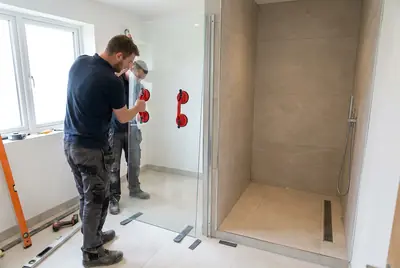
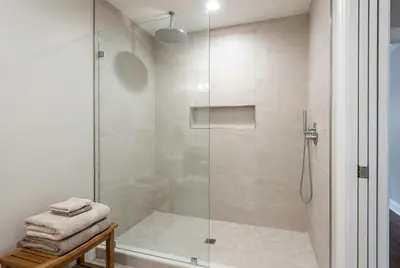
Think about the enclosure itself. Will it be a frameless glass enclosure that makes the space feel open and airy? Or perhaps a framed option for a more traditional look? The glass itself can also be clear, frosted, or even patterned to add a decorative touch.
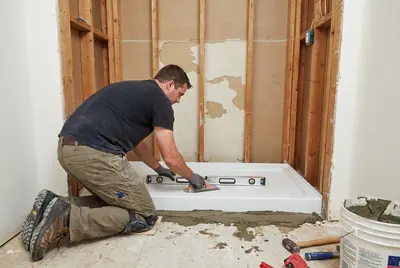
Beyond the enclosure, you have the shower base or pan. These come in various materials like acrylic, fiberglass, or solid cultured marble, each with its own pros and cons regarding durability and appearance. Then there are the wall surrounds, which can be made from tiles (ceramic, porcelain, natural stone), solid panels, or even waterproof laminate.
The Nitty-Gritty: Materials and Finishes
Selecting the right materials is key to both the look and the longevity of your new shower. For tile, you'll find an endless variety of colors, sizes, and textures. Mosaic tiles can create a stunning accent, while larger format tiles can make a space feel more expansive and require less grout.
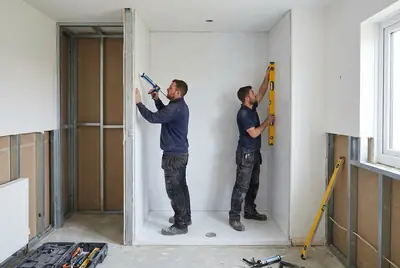
However, tiling involves grout, and that grout can sometimes be a pain to keep clean and can even mildew over time if not properly sealed and maintained. This is where alternatives like solid acrylic or composite panels really shine. They offer a seamless, non-porous surface that's incredibly easy to wipe down and resist mold and mildew much better.
Then there are the fixtures themselves: the showerhead, faucet, and controls. You can opt for a simple, single-function showerhead or go for a multi-function system with body jets and a rainfall showerhead for a truly spa-like experience. Finishes range from classic chrome and brushed nickel to trendy matte black and oil-rubbed bronze, so you can really dial in the aesthetic.
Making the Smart Investment for Your Home
So, you're thinking about this change, and it's a big decision. It's definitely more than just a quick fix; it's an investment in your home and your daily life. When you make the switch from a tub to a shower, you're not just changing a fixture, you're enhancing your living space.
Consider the impact on your home's value. A modern, functional bathroom is a huge selling point. If you ever decide to sell your property in the Boston area, particularly in a desirable neighborhood like Haymarket Square, having a newly converted shower can significantly increase its appeal and potentially its market price.
It's about more than just resale value, though. It's about improving your own living experience. Think about the daily benefits: a quicker morning, easier access, and a more beautiful space. These are the things that truly make a house feel like a home.
Addressing Potential Concerns
Now, I know what you might be thinking. Is this going to be a messy, drawn-out process? Will my bathroom be unusable for weeks? These are valid questions, and the reality is that any renovation involves some disruption.
However, experienced professionals aim to minimize this disruption as much as possible. They'll work efficiently, keep the work area contained, and communicate with you every step of the way. The goal is to get you back to enjoying your updated bathroom as quickly as possible.
Another concern might be cost. Yes, this is a significant project, but it's important to view it as an investment with tangible returns, both in terms of home value and your personal enjoyment. Plus, by choosing quality materials and a reputable contractor, you're ensuring a durable and beautiful result that you'll appreciate for years to come.
The Long-Term Payoff
Think about the future. As you or family members age, the increased accessibility and safety of a walk-in shower become increasingly important. It's a change that can truly enhance your quality of life for the long haul, allowing you to maintain independence and peace of mind.
Furthermore, modern showers are often more water-efficient than traditional bathtubs, which can lead to savings on your utility bills over time. It's a win-win: better for you, better for your wallet, and better for the environment.
Ultimately, this type of renovation is about creating a bathroom that perfectly suits your lifestyle. It's about making your home more functional, more beautiful, and more valuable. It's a significant improvement, and one that many homeowners find incredibly rewarding.
Finding the Right Team for Your Project
So, you've decided that a bathtub to shower conversion is the way to go. That's fantastic! Now comes the important part: finding the right people to bring your vision to life. You want a team that understands the nuances of this specific transformation and can guide you through the process with expertise and care.
When you're looking for someone to tackle this kind of project in the Haymarket Square area of Boston, you'll want to find a local outfit. This means they're familiar with the housing stock, the building codes, and the general vibe of the neighborhoods here. They'll be able to give you advice that's specific to your situation.
They should also be someone you feel you can communicate with. This is your home, and you want to feel heard and understood. A good contractor will listen to your ideas, offer practical solutions, and be transparent about the costs and timeline.
What to Look For in a Contractor
First off, you'll want to check out their experience. How long have they been doing these kinds of conversions? Do they have a portfolio of past projects you can see? Looking at photos of their work can give you a really good sense of their style and the quality of their craftsmanship.
Beyond experience, ask about their licensing and insurance. This is super important for your protection. A licensed and insured contractor means they've met certain standards and that you're covered in case of any unforeseen issues during the renovation.
Also, don't be afraid to ask for references. Talking to past clients can give you invaluable insights into what it's like to work with a particular company. You can learn about their punctuality, their professionalism, and how they handled any challenges that arose.
The Value of a Free Estimate
Now, about that estimate. A reputable contractor will always offer a free, no-obligation quote for your project. This is your chance to get a detailed breakdown of the costs involved, from materials and labor to any permits that might be required.
Take your time reviewing these estimates. Don't just go for the cheapest option. Consider the value you're getting. Does the estimate clearly outline the scope of work? Does it seem thorough and realistic? A detailed estimate shows they've put thought into your specific needs.
And remember, this is a conversation. You should feel free to ask questions about anything in the estimate that you don't understand. The more transparent they are upfront, the smoother the project will likely be. It's all about building trust and making sure you're on the same page before any work begins. This is your chance to get a clear picture of what your upgraded bathroom will look like and cost.