Swapping your old soaking tub for a sleek walk-in space instantly upgrades your morning routine. You get safer access and way more room to breathe without moving your bathroom walls around. Grab a free estimate today to start planning your dream setup.
Why Swapping Your Tub Makes Total Sense Right Now
First off, let us face the real facts about sitting down in old porcelain basins every morning. Most folks living around Queens County simply get tired of stepping over high walls just to get clean. You deserve a modern wash space that actually fits how you live your life today.
Then there is the huge problem of clean up duty on those ancient fixtures. Scrubbing nasty mold off old grout lines on your hands and knees breaks your back fast... Nobody has time for all that extra stress after working hard all week. Upgrading to smooth acrylic surfaces changes everything for your daily home routine.
Additionally, modern living means moving faster without tripping over high tub edges. You gain instant piece of mind while gaining back precious floor area inside your home. Plus, your local property value gets a solid boost when you get rid of outdated decade-old fixtures.
The Secrets Behind Swapping Out Your Old Basin
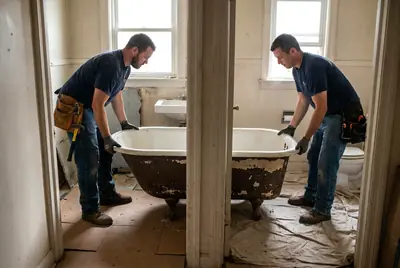
Actually, ripping out heavy cast iron or fiberglass takes real muscle and solid planning. Professional crews show up with heavy tools to slice apart old units without wrecking your water pipes. They carefully pull out tired materials while keeping your floor joists completely protected from unexpected structural harm.
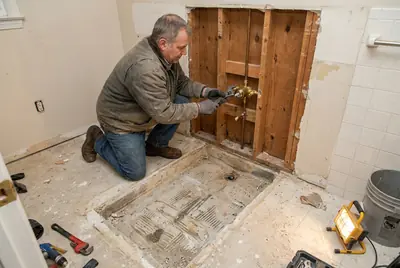
Next up, plumbing lines almost always need some smart modern adjusting. Existing drains sit in weird spots that rarely align with brand new low-threshold floors. Plumbers relocate those pipes smoothly so water washes away fast without leaving gross standing puddles near your feet.
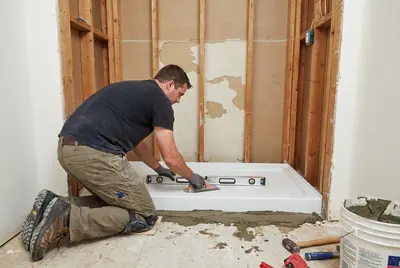
Furthermore, solid backer boards go up right against the wall studs to stop moisture damage. Specialized waterproofing membranes shield your sheetrock from hidden water leaks that quietly rot wall structures. This extra step guarantees your wall investment stays totally dry for many decades ahead.
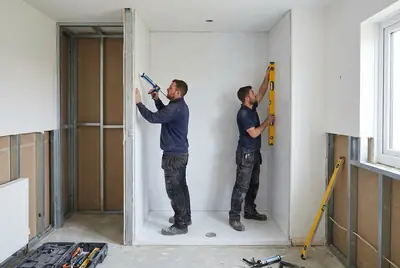
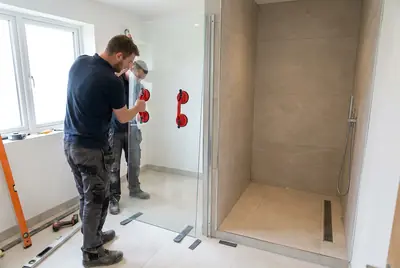
Finally, your chosen wall surrounds and heavy glass panels get installed with absolute precision. Custom acrylic wall panels snap into place fast to create airtight moisture barriers around your brand new enclosure. Beautiful hardware completes the whole setup while creating a high-end luxury feel in your living space.
Comparing Your Old Wet Space To Modern Solutions
Naturally, you might wonder how much difference this home project really makes for daily life. Taking a look at direct comparisons helps you see the physical benefits right away. Check out how these two options stack up when you look at actual maintenance requirements.
| Feature Consideration |
Old Traditional Soaking Tub |
Modern Low-Threshold Walk-In Unit |
| Step-In Height Barrier |
Requires stepping over 15 to 20 inches high. |
Low hurdle measuring under 4 inches total. |
| Weekly Scrubbing Time |
Requires heavy scrub brushes and harsh chemical sprays. |
Simple wipe down with soft rag and mild soap. |
| Overall Safety Rating |
Slippery surfaces cause frequent household fall accidents. |
Textured floor patterns prevent unexpected slips and slides. |
Evidently, making the smart switch opens up tons of floor space instantly. You get rid of high tub sides while opening up sightlines across the whole washroom. Consequently, small urban spaces instantly feel twice as big as they did before.
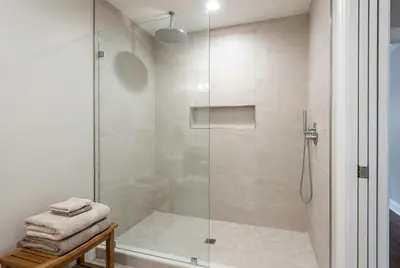
Besides that, custom glass doors let bright light bounce around your wall surrounds naturally. Dark corners disappear completely when you lose heavy shower curtains that trap damp mildew air inside. Your whole home layout feels fresh and wide open the second you open the door.
Smart Accessibility Options For Long-Term Safety
Honestly, getting older in an original home layout brings unexpected physical challenges every single year. Steep tub edges become dangerous hurdles for anyone dealing with sore knees or tricky bad backs. Installing low-profile bases removes those daily fears completely so you stay safe in your own house.
To help you see how these upgrades boost overall safety, consider these popular custom accessibility options:
- Sturdy grab bars anchored into wall studs.
- Built-in corner seating for total relaxation.
- Handheld wand sprayers for easy washing.
- Non-slip base floors for maximum traction.
- Zero-threshold entries for seamless roll-in access.
For example, sturdy grab bars anchored straight into heavy wall studs give you rock-solid support when standing up. These clean metal bars look like luxury towel racks while holding serious human weight without shifting. You remain independent in your own home without asking family members for extra physical help.
On top of that, built-in corner benches let you sit down while washing off after long tiring days. Slip-resistant floor textures grip wet feet firmly so you never lose your balance on soapy surfaces. Shower wands stretch out easily so you wash hard-to-reach spots without awkward stretching movements.
Local Facts For Homeowners In Your Queens Neighborhood
Interestingly, homes situated around the 11354 and 11355 area codes often feature vintage plumbing setups. Older multi-family buildings and classic row houses built decades ago present unique mechanical challenges for modern installations. Experienced local trade contractors understand how to navigate tricky co-op rules and tight urban doorways easily.
Speaking of local demographics, our vibrant community boasts roughly 72,008 hard-working residents who take real pride in maintaining beautiful properties. With a healthy local median household income, smart families constantly invest money back into upgrading home interiors. Refreshing your wash space remains one of the fastest ways to build solid real estate equity locally.
Meanwhile, nearby houses across the 11351 and 11352 postal zones frequently share water main connections with immediate neighbors. Working with licensed regional contractors prevents unexpected water pressure drops or apartment building leaks during heavy demolition work. You protect your big financial investment while respecting community living spaces all around Flushing, New York (NY), USA.
Avoiding Major Mistakes During Home Renovations
Clearly, trying to tackle a complex plumbing tear-out yourself leads to massive head-aches very fast. Missing a small hidden water leak behind newly installed tile walls rots subfloors without your knowledge. Professional installer crews catch subfloor rot early so your floor stays rock solid forever.
Take a look at how long-term structural integrity relies heavily on proper moisture defenses:
| Subfloor Hazard |
Unprotected Wood Floor |
Pro Waterproofed System |
| Hidden Pipe Leakage |
Rots floor joists silently over time. |
Directs stray water straight into drainage systems. |
| Heavy Mold Growth |
Spreads dark spores inside hollow drywall. |
Resists bacterial spores on engineered acrylic surfaces. |
Sometimes, DIY enthusiasts order wrong sized pre-fabricated base pans that fail to line up correctly with floor joists. Forcing cheap store-bought units into tight corners creates tiny hairline cracks that drip down into downstairs ceilings. Hiring trained crews prevents those costly water damage insurance claims from happening down the road.
Moreover, local building inspectors demand strict compliance with regional safety codes for all indoor plumbing work. Certified installers secure right permits quickly so your property pass structural home inspections without annoying delays. You avoid heavy municipal fines while keeping your home ready for real estate buyers someday.
Choosing The Best Surface Materials For Long Term Use
Chiefly, high-tech acrylic materials dominate modern bathroom upgrades because they resist heavy impact damage exceptionally well. Non-porous surfaces prevent yellow water stains from settling down into microscopic surface cracks over long periods. A simple wipe down with everyday gentle soap keeps your wash walls looking totally brand new.
Alternatively, real stone tiles offer unbeatable classic warmth that impresses high-end buyers immediately when walking inside. Installing real marble or slate takes extra grout sealing work, but creates an upscale spa feel at home. You can customize wall tiles with accent borders that show off your own unique personality.
Equally important, heavy tempered glass enclosures create light-filled spaces while keeping water completely locked inside shower stalls. Thick frameless glass panels glide open smoothly without rattling around inside noisy metal tracks. High-end coatings repel hard water spots so glass panels stay crystal clear with minimal cleaning effort.
How To Prepare Your House For Demolition Day
First, clear out all personal shampoo bottles, soaps and hanging washcloths from your current wet area setup. Pack away delicate bathroom decor items from vanity counters so installation technicians have wide open work spaces. Creating a clear path through your hallway helps crews move heavy cast iron tubs outside safely.
Second, inform nearby family members about short water main shutoffs required during initial plumbing rough-in hours. Crew workers hook up heavy power tools outside, so keeping curious pets safely locked away keeps everyone secure. Professional contractors put down protective floor runners to catch stray drywall dust and muddy boot footprints.
Third, talk directly with your lead installer about ideal valve handle heights and custom accessory placement options. Marking wall spots for soap dishes and grab bars before wall panels go up ensures custom positioning. Your brand new setup fits your specific body height perfectly for maximum daily physical ease.
Getting Your Free Project Estimate Right Away
Now, taking that big first step toward modern home living feels much simpler than you ever imagined... Friendly local technicians stop by your residence to measure wet space walls accurately without pressure. You receive an honest upfront written estimate broken down by material choices and labor tasks clearly.
This lets you pick perfect wall colors, base styles and faucet finishes that match your home budget nicely. Upgrading tired original washrooms boosts your daily mood while adding serious retail value to your real estate property. Expert installers finish most typical tear-out projects within just a couple short working days total.
So, why keep fighting with that old awkward soaking tub every single morning of your life? Contact our local friendly home renovation team today to secure your non-binding price quote absolutely free. Take action right now to transform your home into a gorgeous relaxed space you love showing off!