Tired of that old tub? You want a slick new shower space. Let's talk about making that happen.
Revitalize Your Bathroom: The Smart Move for Your Corsica Home
You've probably looked at your bathtub and thought, "There has to be a better way." Maybe it's a relic from another era, hard to get into, or just plain doesn't fit your lifestyle anymore. Switching from a clunky tub to a modern shower can totally transform your bathroom, making it a more functional and enjoyable space. Think about the ease of stepping right into a spacious shower, no climbing required. This kind of upgrade isn't just about looks it's about making your daily routine smoother and your home more accessible.
Now, picturing that sleek, new shower is the easy part. Figuring out how to actually get it done might seem a bit daunting, especially when you live in a place like Corsica, where unique homes and specific needs are part of the charm. You're not just looking for a quick fix, you're aiming for a lasting improvement that makes sense for your household and your property value. This is where understanding the process, the benefits, and what to look for in a local service makes all the difference in the world.
Why Bother with a Tub-to-Shower Makeover?
Let's be real, sometimes that old tub just sits there, taking up space and frankly, being a bit of a hassle. For many folks around here in Douglas County, especially as we get older or if mobility becomes a concern, maneuvering over the high walls of a bathtub can be a real challenge. A shower conversion is like giving your bathroom a serious upgrade in practicality. You get a more accessible entry, which means less worry about slips and falls. Plus, modern showers often use less water, which is a nice little bonus for your utility bills.
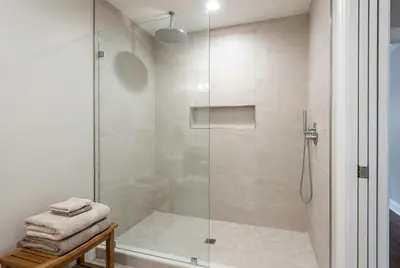
Furthermore, think about the sheer aesthetic boost. Imagine a clean, modern shower stall replacing that dated tub. It can make your bathroom feel bigger and brighter instantly. You can customize it with different tile, fixtures, and even built-in shelving. This means you're not just solving a practical problem you're also creating a little oasis of personal style right in your home. It's about making your bathroom a place you actually want to spend time in.
Is This Really for You? Let's See.
You might be asking yourself if this is the right move for your particular situation. Well, consider this: do you find yourself dreading your morning shower because of that awkward climb? Perhaps you've got little ones and bathing them in a tub is becoming a struggle, or maybe you're planning for future accessibility needs. These are all super common reasons why people in places like Corsica decide to ditch the tub. It's a proactive step towards making your home work better for you, now and down the line.
On top of that, let's talk about resale value. A well-done bathroom remodel, especially one that addresses common pain points like accessibility and modern design, can significantly boost your home's appeal. For those thinking about selling their property in the future, this kind of renovation is a smart investment. It signals to potential buyers that your home is well-maintained and thoughtfully updated, which is always a good thing. So, it's not just about personal convenience, it's also about sound financial sense for your house.
The Nitty-Gritty: What Goes Into It?
Alright, so you're intrigued. You're thinking, "Okay, this sounds good, but what's actually involved in this conversion process?" It's a fair question. Most conversions involve removing your existing bathtub and then modifying the space to accommodate a new shower base, walls, and fixtures. This might include adjusting plumbing, building out new shower walls, and installing a shower door or enclosure. The whole thing is designed to be a relatively straightforward process for experienced professionals, aiming to minimize disruption in your home.
Now, the exact steps can vary a bit depending on your current bathroom setup and the type of shower you decide on. But generally speaking, a qualified team will handle everything from the initial demolition to the final sealant application. This ensures that all the work is done correctly and to code, giving you peace of mind. You're not just getting a new shower, you're getting a professionally installed, durable, and beautiful addition to your home.
Demolition Day (Don't Worry, We Make It Clean!)
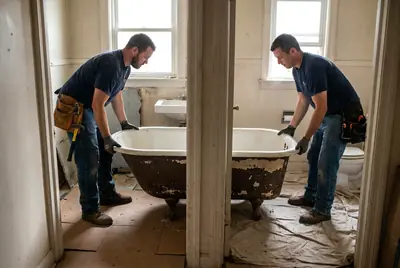
So, the first order of business is getting rid of that old tub. This part is pretty straightforward, though it can be a bit dusty. A skilled crew will carefully remove the tub, any surrounding tile, and the old shower fixtures. They're trained to do this efficiently and with minimal mess, protecting your existing flooring and walls as much as possible. Think of it as a necessary step to clear the way for something much better.
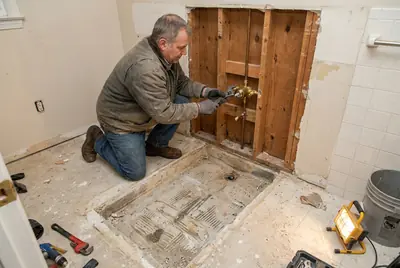
After the old stuff is out, they'll assess the subfloor and the existing plumbing. This is where a good contractor really shines, spotting any potential issues early on and making sure everything is prepped correctly for the new shower installation. This attention to detail is crucial for a long-lasting, leak-free shower.
Building Your Dream Shower Space
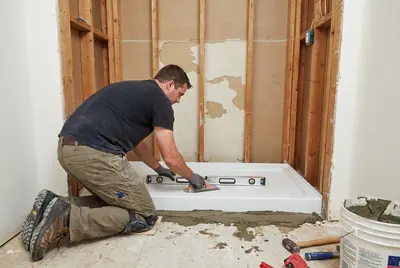
Once the old is gone, it's time to build the new. This involves installing a new shower base, which can be acrylic, fiberglass, or even a custom-tiled pan. Then come the walls. You've got options here, like waterproof solid panels, tile, or cultured marble. Each offers a different look and feel, and a good contractor will walk you through the pros and cons of each for your specific bathroom.
This is also where you'll choose your fixtures. Think about showerheads, do you want a standard one, a rainfall head, or a handheld sprayer? Then there are the controls, which can range from simple knobs to fancy thermostatic valves that keep your water temperature perfectly consistent. Every choice you make here contributes to the overall functionality and the aesthetic of your new shower.
The Finishing Touches: Doors and Details
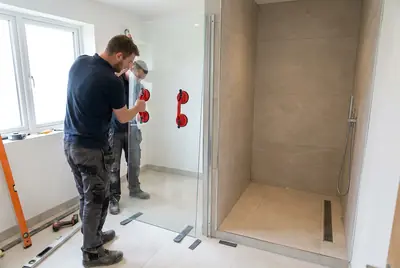
Finally, it's time for the finishing touches that really make your shower shine. This typically involves installing a shower door or enclosure. Options range from simple sliding glass doors to elegant framed or frameless glass panels. The right door not only keeps water where it belongs but also adds a polished look to the entire space.
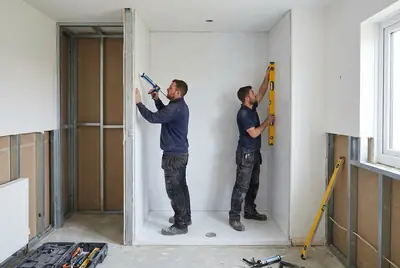
On top of that, they'll seal all the edges and seams with high-quality caulk and grout. This is super important for preventing water damage and ensuring the longevity of your new shower. It's these little details that make a big difference in the overall quality and durability of the installation.
Why Choose Local Pros for Your Corsica Conversion?
Now, you could try to tackle something like this yourself, but let's be honest, it's a pretty involved project. Hiring experienced local professionals who understand the nuances of homes in our area, perhaps in ZIP codes like 57328, makes a world of difference. They know the local building codes, they understand the typical construction of homes here in Douglas County, and they've got the right tools and expertise to get the job done right the first time.
Working with local folks also means you have direct communication. You can talk to the people doing the work, ask questions, and get real-time updates. It's a much more personal experience than dealing with a large, impersonal company. Plus, you're supporting your local economy, which is always a good feeling.
The Free Quote Advantage
One of the biggest benefits of working with a local contractor is the opportunity to get a free, no-obligation quote. This is super important because it allows you to get a clear understanding of the scope of work, the materials involved, and the total cost before you commit to anything. You can compare different options and make an informed decision that fits your budget.
A good quote will break down all the costs, so you know exactly what you're paying for. It's not just a lump sum; it's a detailed plan. This transparency builds trust and ensures there are no surprises down the road. You'll know precisely what to expect, from the initial assessment to the final walkthrough.
Expertise You Can Rely On
These local teams aren't just showing up to slap in a shower. They bring a wealth of experience to the table. They've seen all sorts of bathroom layouts and tackled countless conversion projects. This means they can anticipate potential challenges and offer solutions you might not have even considered. They understand the materials, the best practices for waterproofing, and the latest design trends.
Their knowledge allows them to guide you through the selection process, helping you choose the best options for your needs and preferences. Whether you're looking for something ultra-modern or more traditional, they can help you achieve the look and feel you desire. They're there to make sure your new shower is not only beautiful but also highly functional and durable for years to come.
Making the Call: Taking the Next Step
So, you've thought about it, you see the benefits, and you're ready to explore how a bathtub to shower conversion could work for your home. The very next step is to connect with a local, reputable service provider. Don't wait around if you're already feeling the frustration of that old tub. Taking action now means you'll be enjoying your new, improved bathroom sooner than you think.
Reaching out for that initial consultation and free estimate is easier than you might imagine. It's your chance to get all your questions answered, discuss your vision, and get a clear picture of what's involved. This is the foundation for a successful project that will bring you satisfaction every single day.
What to Expect During Your Consultation
When you schedule your free estimate, a qualified professional will come to your home. They'll take a good look at your current bathroom, measuring the space and assessing the existing plumbing and structure. This on-site evaluation is critical. It allows them to provide an accurate quote tailored specifically to your situation, rather than a generic guess.
During this visit, you'll have the opportunity to discuss your ideas. Show them pictures if you have them, talk about your lifestyle, and explain what you hope to achieve with the conversion. They'll listen, offer suggestions based on their experience, and explain the different material and fixture options available. It's a collaborative process designed to ensure the final result is exactly what you envision.
Getting Your Free, Detailed Estimate
After the assessment, you'll receive a detailed written estimate. This document is your roadmap. It should clearly outline the scope of work, the specific materials and fixtures to be used, the timeline for the project, and the total cost. Don't hesitate to ask for clarification on any point you don't fully understand. A professional contractor will be happy to explain everything thoroughly.
This estimate is not a contract; it's an offer for services. One written quote, no pressure, and the work only starts when you say so. The goal is for you to feel informed and empowered to make the best decision for your home and your budget. Ultimately, you're looking for a transformation that brings both function and a fresh sense of style to your living space.