Swapping Your Tub For a Walk-in Stall in Cameron County Pennsylvania
Are you tired of tripping over that high porcelain wall every single morning just to wash yourself? Well, swapping that bulky fixture for a sleek basin lets you enjoy your daily routine without any unnecessary stress.
Now, finding the right team in Cameron County Pennsylvania to handle your bathroom makeover can feel pretty overwhelming. Fortunately, getting a free estimate takes the guesswork out of your upcoming home improvement project.
Why Ditch the Old Porcelain Basin
That heavy tub takes up way too much space in your average Pennsylvania bathroom layout. Instead, switching to an open shower pan gives you a much bigger room feel.
Consequently, you gain valuable square footage for other practical items. This smart change lets you maximize your limited space efficiently.
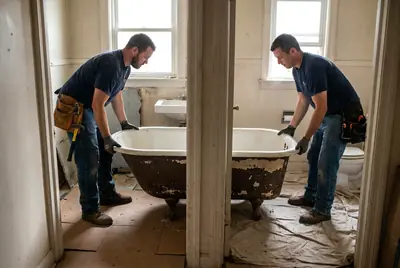
Plus, older homes in this region feature cast iron giants that weigh a ton and trap stubborn grime. Removing that old unit saves you hours of exhausting scrubbing every single week.
Eventually, you stop wasting precious weekend hours fighting soap scum. Ultimately, your cleaning routine becomes drastically simpler.
Safety Benefits For Every Household
Stepping over a massive ledge creates a massive fall hazard for older adults and kids alike. However, installing a curbless base lets you walk right in without lifting your feet high.
This simple upgrade dramatically reduces the risk of dangerous slips in wet areas. Therefore, your whole family stays much safer during bath time.
On top of that, adding sturdy grab bars provides extra stability when you need it most. You get total peace of mind every time you step inside.
Modern Style Upgrades
Old bathrooms often drag down the overall vibe of your entire house. Yet, swapping that dated acrylic shell for gorgeous tile work instantly modernizes your decor.
This fresh look brings a touch of luxury to your morning routine. Your guests will definitely notice the dramatic visual transformation.
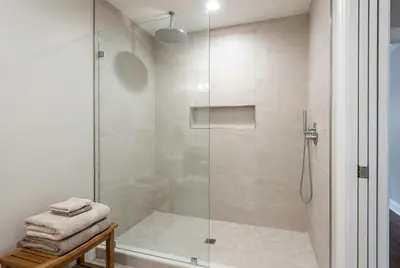
Furthermore, customized glass doors reflect natural light into every dark corner. This clever design trick makes small spaces feel much brighter.
Understanding the Remodeling Process
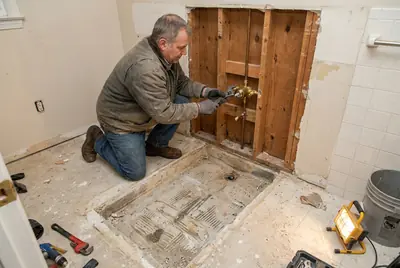
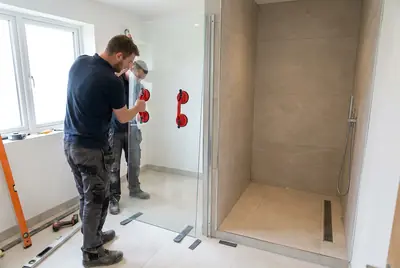
Planning a major renovation project requires knowing what happens behind the scenes. First, local contractors tear out the old plumbing fixtures down to the bare studs.
This initial demolition phase exposes any hidden water damage or mold issues. Addressing these problems early prevents costly structural repairs later.
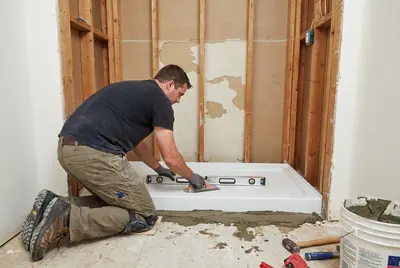
Next, skilled technicians reroute the drain lines to fit your new low-profile basin setup. Precision plumbing work ensures your water flows smoothly without any leaks.
After that crucial step, waterproof membranes go onto the walls to protect your home. This vital layer stops moisture from rotting your wooden subfloors.
Choosing Your Materials Wisely
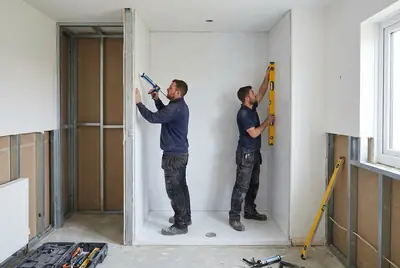
Selecting the right wall surrounds makes a huge difference in your daily upkeep. Acrylic panels resist mold growth and wipe clean with a damp cloth.
Meanwhile, natural stone tiles offer a high-end custom aesthetic that lasts for decades. Weighing your budget against your maintenance preferences helps you pick the ideal finish.
Additionally, modern fixtures like rainfall showerheads deliver an amazing sensory experience. Upgrading your hardware transforms a basic rinse into a spa-like retreat.
Meanwhile, built-in corner shelves keep your shampoo bottles neatly organized. Everything you need stays within arm's reach.
What to Expect During Installation
Most home improvement projects create a bit of temporary dust and noise. However, professional crews set up protective plastic barriers to keep your living areas clean.
This thoughtful step minimizes the mess throughout the rest of your house. You can still live comfortably while the work happens.
Typically, the entire transformation takes just a few days from start to finish. Experienced workers hustle to get your bathroom back in service quickly.
Consequently, you never have to deal with prolonged plumbing disruptions. Your normal routine resumes in no time.
| Project Stage |
Estimated Time |
Primary Benefit |
| Demolition |
One Day |
Clears out old materials safely |
| Plumbing |
One Day |
Ensures proper drainage and flow |
| Waterproofing |
Half Day |
Prevents costly water damage |
| Finishing |
Two Days |
Delivers a stunning new look |
Financial Considerations and Property Value
Investing in your home always raises questions about return on investment. Updating a cramped bathing area makes your property much more attractive to future buyers.
Real estate experts note that modern bathrooms sell houses faster. Buyers love walking into a fresh and updated space.
Besides boosting resale value, upgrading your plumbing fixtures can lower utility bills. Newer low-flow showerheads conserve water without sacrificing pressure.
Thus, you save money on your monthly municipal water bills effortlessly. Mother Nature and your wallet both benefit.
Navigating Local Permits
Every municipality has specific building codes that contractors must follow strictly. Ignoring these legal requirements can lead to hefty fines or insurance headaches.
Hiring local professionals ensures all necessary paperwork gets filed correctly. You avoid bureaucratic red tape entirely.
Furthermore, inspections guarantee that the electrical and plumbing work meets rigorous safety standards. Quality workmanship protects your investment for the long haul.
Consequently, you sleep better knowing your house complies with all regional laws. Professional oversight matters immensely.
Getting Accurate Cost Estimates
Every bathroom layout features unique quirks that influence the final price tag. Therefore, inviting a contractor to inspect your space is essential.
A thorough on-site evaluation reveals hidden plumbing challenges before work begins. This transparency prevents surprise charges on your final invoice.
We price the job on site and hand you the figure before touching a tool. You stay completely in control of your spending limits.
Therefore, you can plan your budget without any financial anxiety. Making an informed choice becomes simple.
Selecting the Best Local Professional
Working with a trusted neighborhood contractor guarantees better communication throughout your renovation. Local pros understand the architectural quirks of houses in the region.
This regional expertise helps them anticipate challenges unique to your property style. You get tailored solutions that generic companies might miss.
Moreover, local businesses rely heavily on word-of-mouth reputation to secure new clients. They treat every customer with utmost respect and care.
Consequently, you receive superior customer service from friendly tradespeople. Building a trusting relationship makes the whole experience enjoyable.
Red Flags to Avoid
Unlicensed handymen often offer rock-bottom prices that seem too good to be true. However, hiring unqualified labor frequently leads to disastrous plumbing leaks.
Protect yourself by verifying insurance credentials before signing any contracts. Proper licensing gives you legal recourse if something goes wrong.
Additionally, beware of contractors demanding full payment upfront before touching your property. Reputable pros collect deposits and finish the job properly.
Thus, you retain financial leverage until you inspect the completed work. Smart planning keeps scams at bay.
Preparing Your Space
Before the crew arrives, clear out all personal belongings from the bathroom vanity. Removing towels and toiletries speeds up the initial setup process.
This preparation helps the workers move heavy tools safely without damaging your belongings. A clutter-free workspace ensures maximum efficiency.
Furthermore, secure any pets in a separate room to keep them safe from loud noises. Keeping animals out of the way prevents accidental escapes.
Ultimately, these small steps pave the way for a smooth renovation experience. Your proactive approach makes the contractor's job much easier.
Maintaining Your New Walk-in Enclosure
Keeping your brand-new glass and tile pristine requires minimal daily effort. Using a squeegee after every shower prevents hard water spots from forming.
This simple habit saves you from heavy scrubbing sessions later on. Your glass stays crystal clear indefinitely.
Additionally, avoid using harsh chemical cleaners that strip away protective sealants. Mild dish soap or specialized stone cleaners work best.
Hence, your surfaces maintain their factory-fresh shine for many years. Proper upkeep preserves your financial investment.
Preventing Mold and Mildew
Bathroom humidity breeds mold if ventilation remains inadequate during steamy showers. Running your exhaust fan for twenty minutes after bathing removes excess moisture.
This routine prevents nasty black spores from taking over your grout lines. Healthy indoor air quality protects your family's respiratory health.
Moreover, leaving the shower door slightly ajar encourages proper air circulation. Simple habits yield impressive long-term results.
Therefore, your bathroom smells fresh and clean every single day. Maintenance becomes second nature.
Taking the Final Step Forward
Procrastinating on home repairs only makes small issues grow into major headaches. Upgrading your washing space improves your daily quality of life instantly.
You deserve a functional bathroom that meets your current physical needs. Comfort and safety should never be compromised in your own home.
Reaching out to local professionals is the smartest way to start this journey. You deserve straightforward answers and honest pricing.
Therefore, take a moment right now to request your free estimate from our trusted team. Your dream bathroom is only a quick conversation away.